Blog
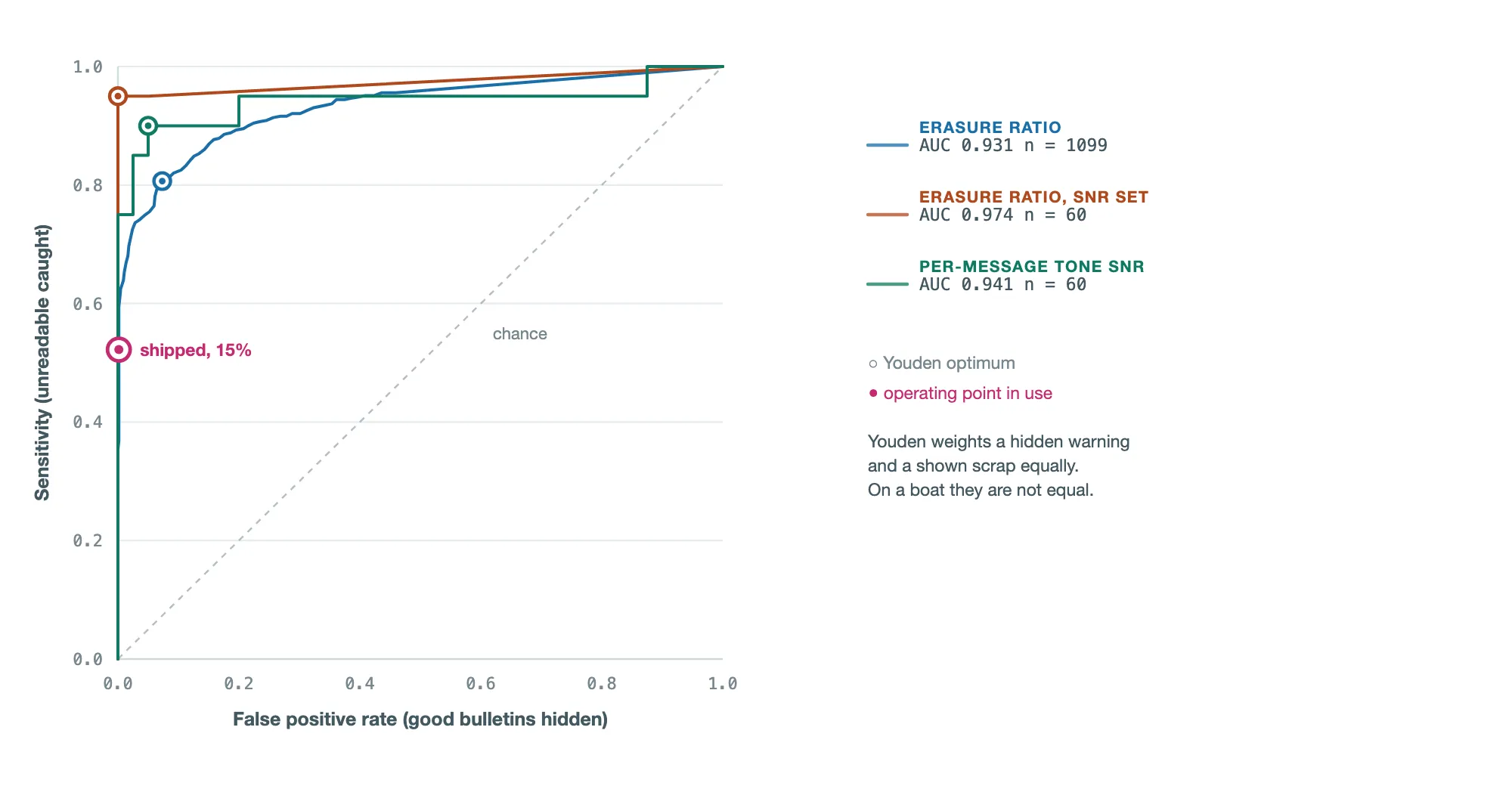
A more sensitive receiver brings in more unreadable Navtex messages. Deciding which to hide turned out to be the easy half.
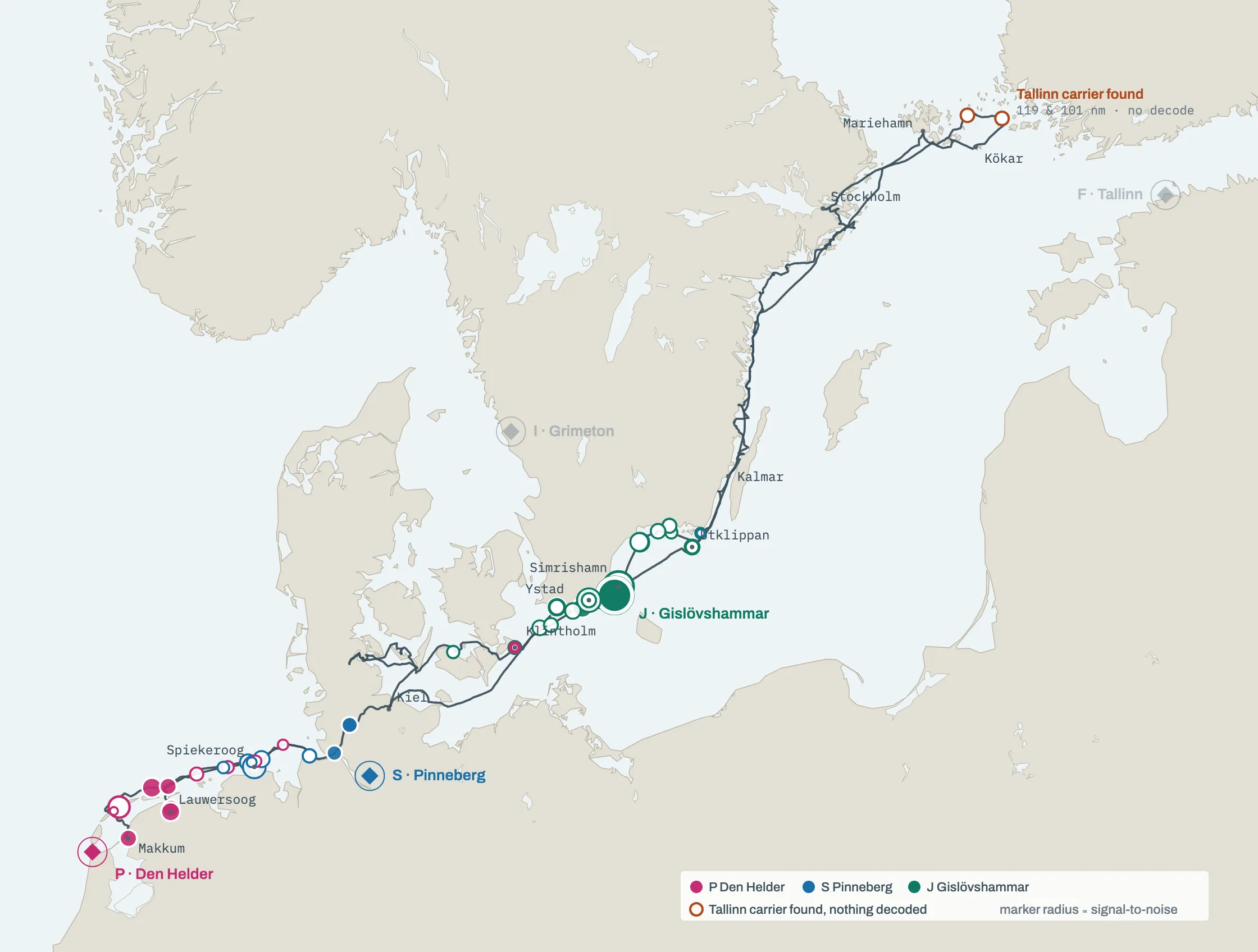
2,000 nautical miles of Navtex logging: brackish Baltic water, a 4.7 dB gap in the receiver, and a Bias-T that never worked.
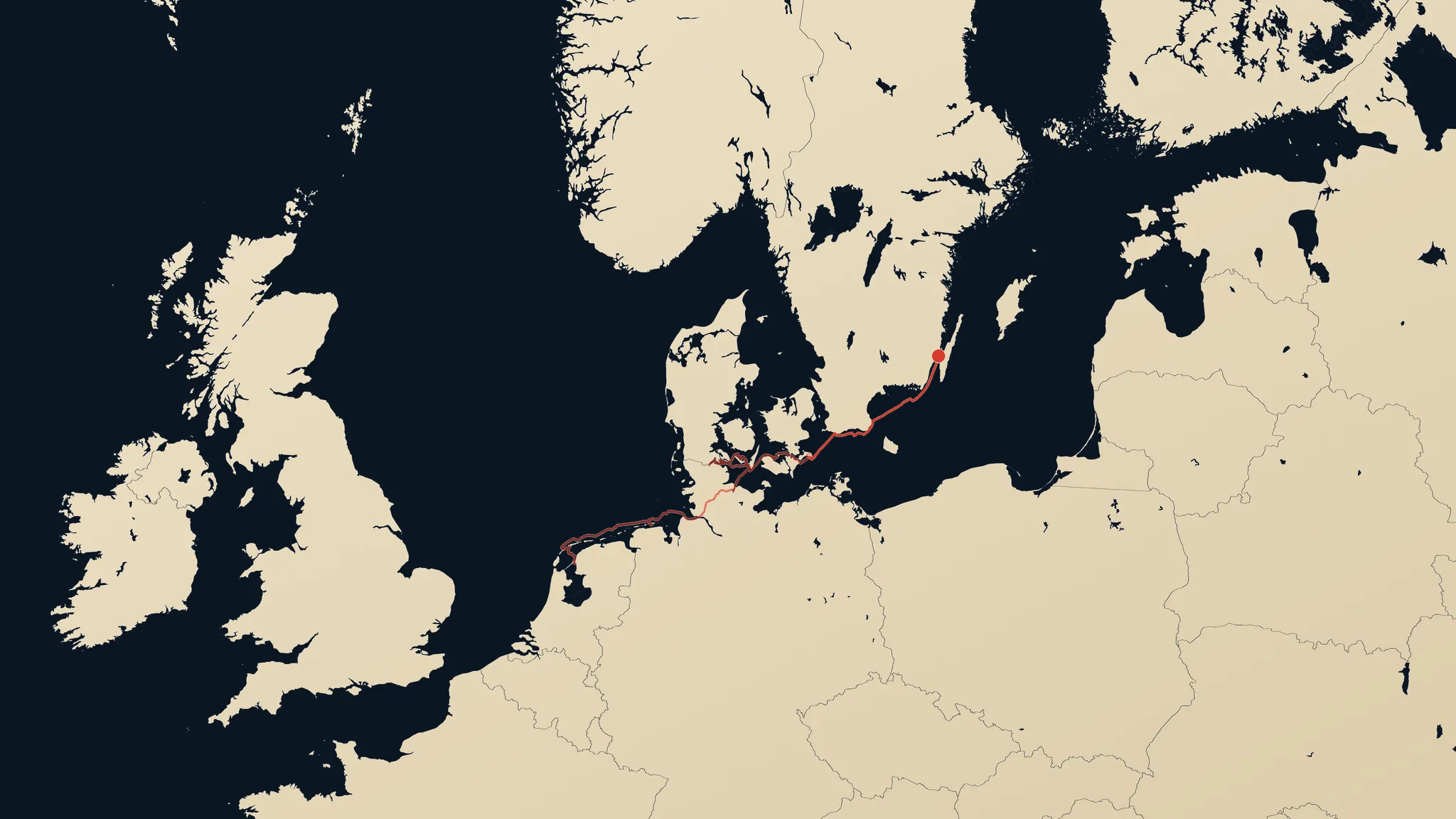
A Python script that renders GPX tracks as alpha-channel PNG layers for Final Cut Pro, with the coastline drawn through the track's own projection.
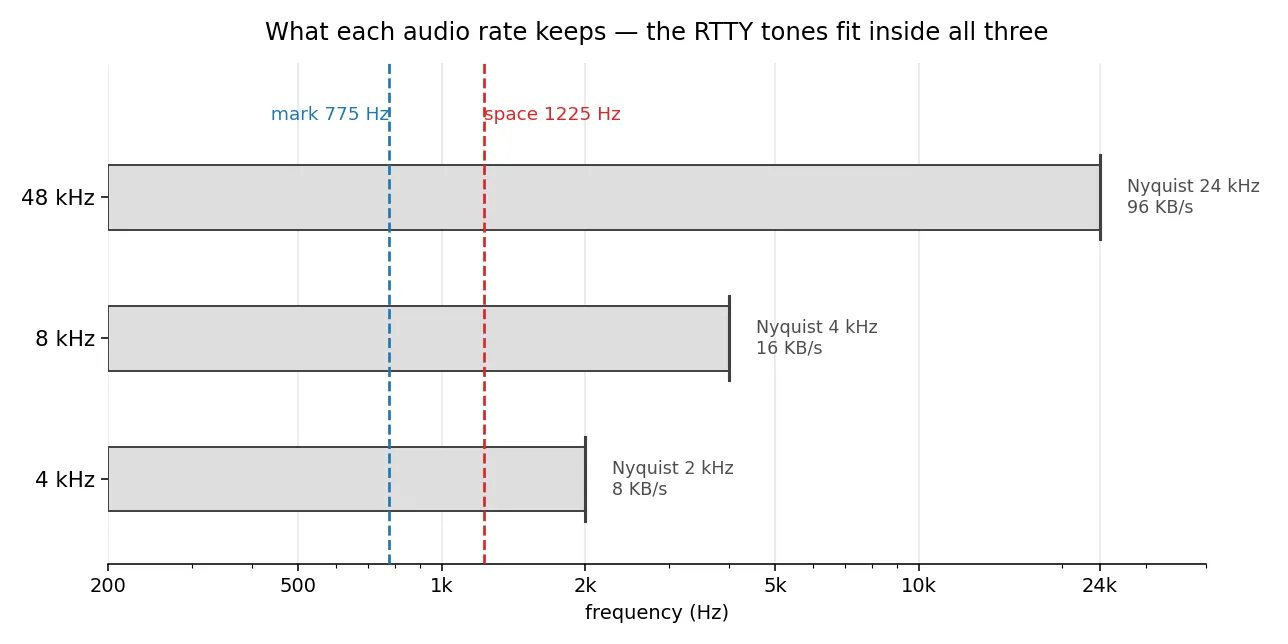
Decoding at 48, 8 and 4 kHz from the same raw IQ. Quality, compute saving, and disk saving measured.
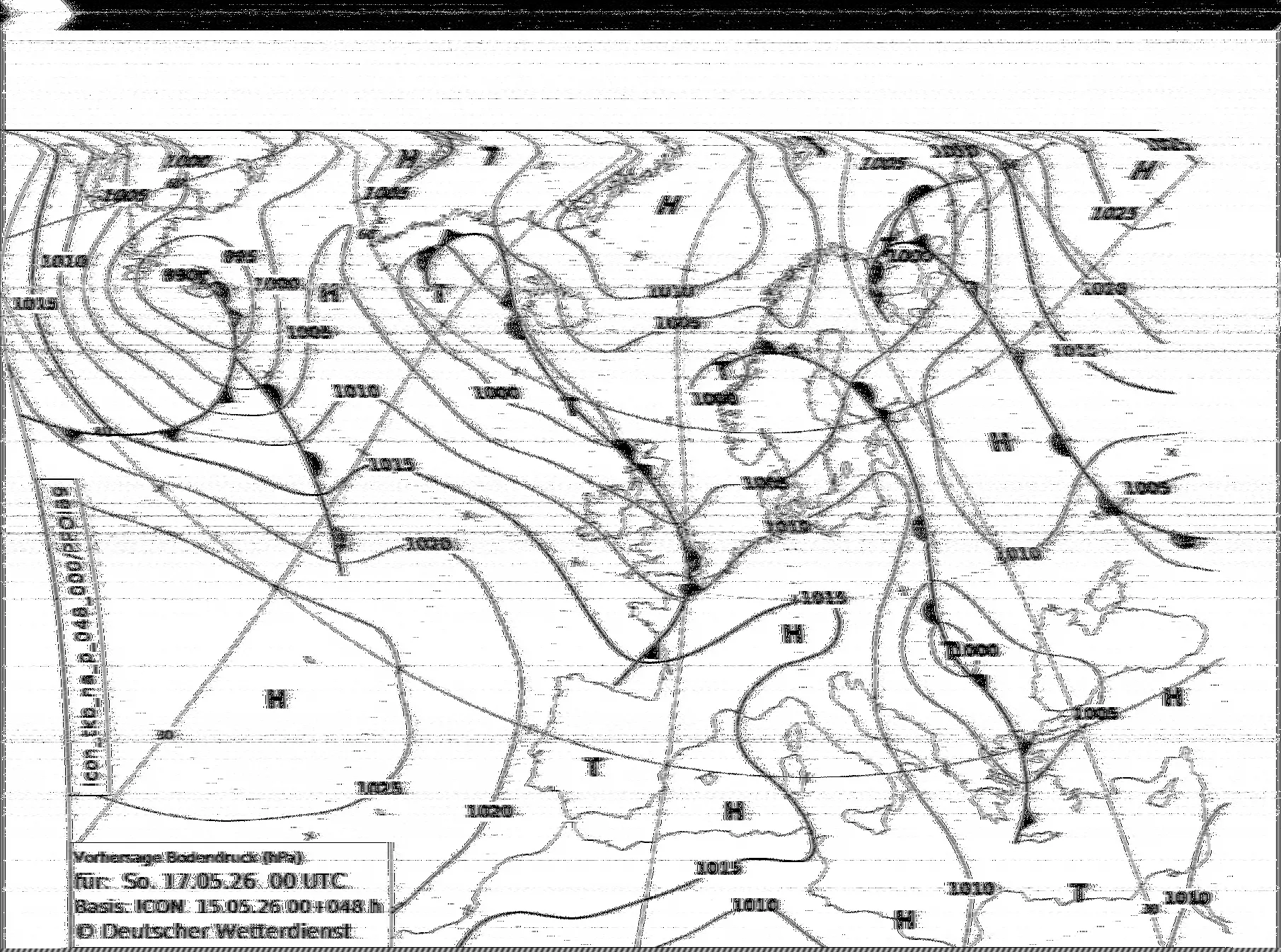
Ilma is a NAVTEX, RTTY, and WEFAX decoder for sailors written in Python running on the Raspberry Pi.
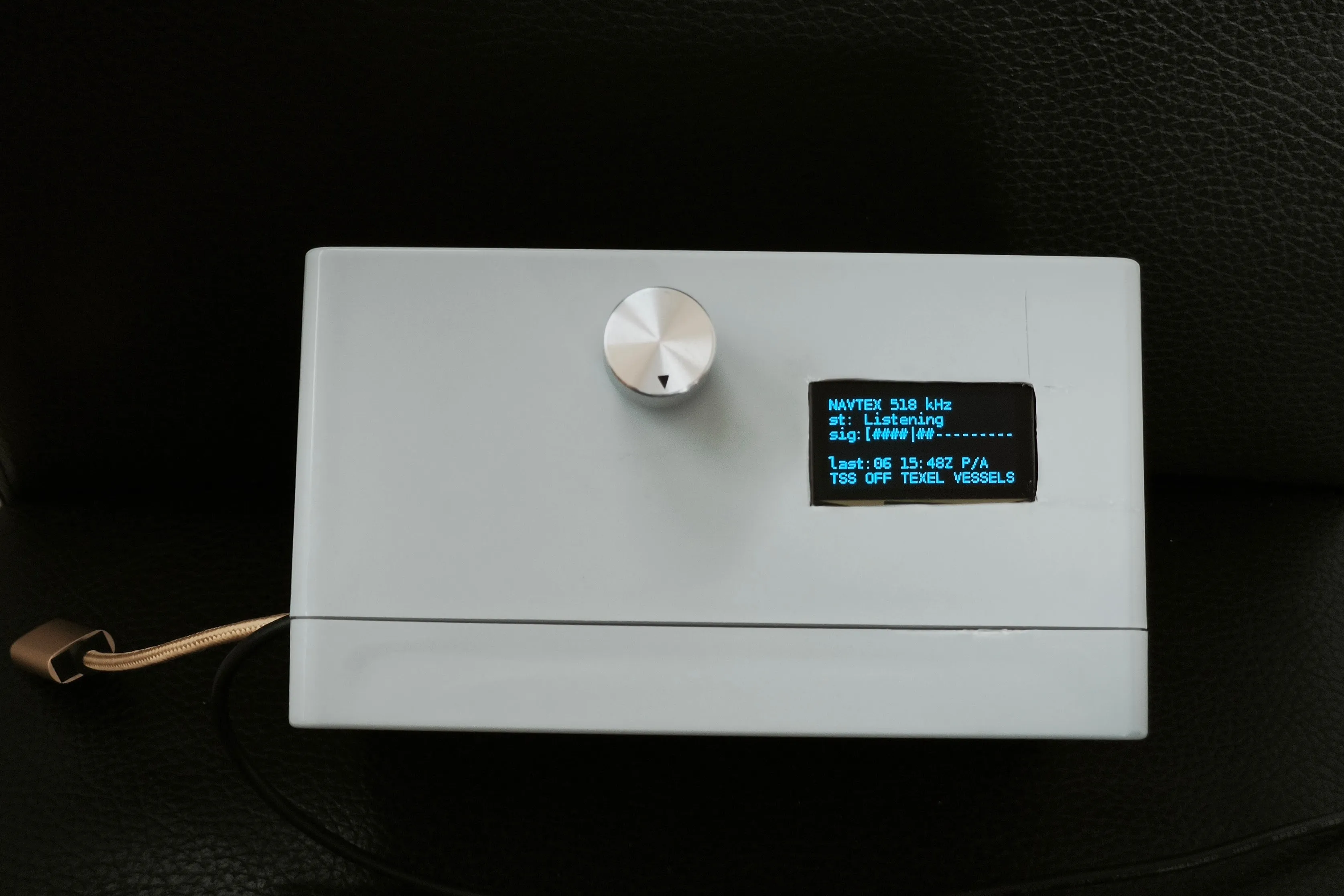
Turning noise at 518 kHz into navigational warnings: FSK demodulation, matched filters and SITOR-B forward error correction, on a Raspberry Pi that listens unattended at sea.
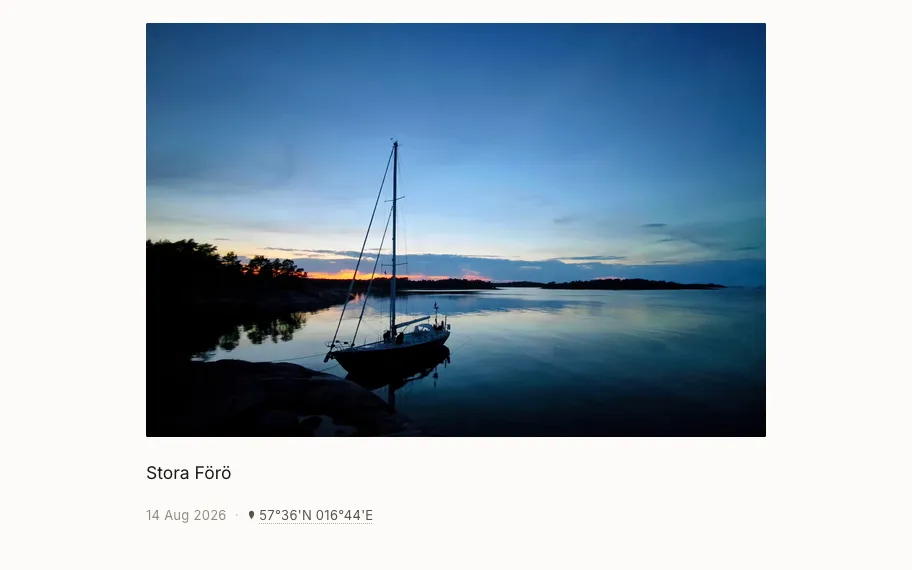
Running a microblog on Cloudflare and asking about competitors.
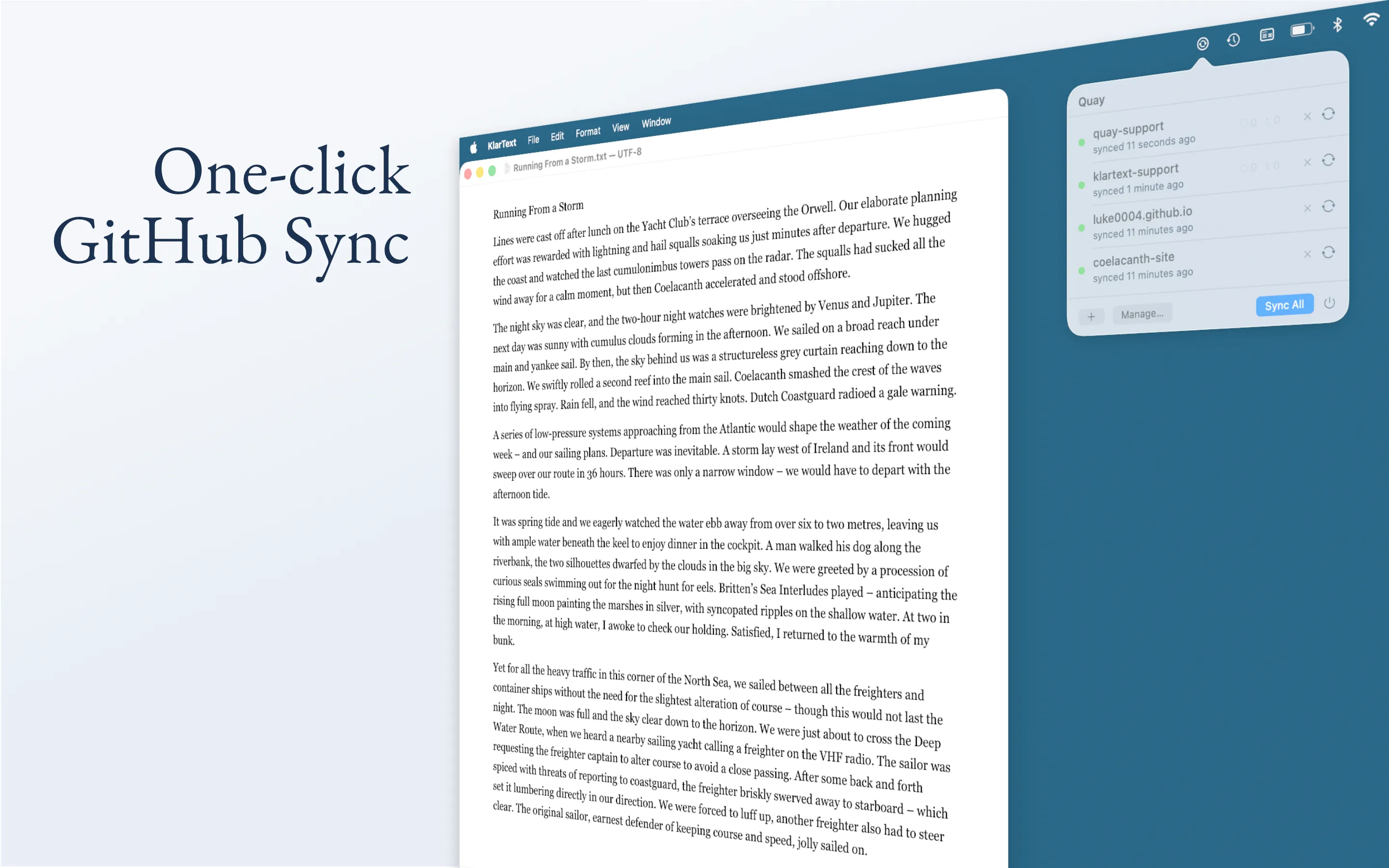
I built a macOS menu bar app for Git sync. Now I don't have a GitHub account anymore.
Migrating a sailing blog with AI — and building a geo-referenced map along the way.
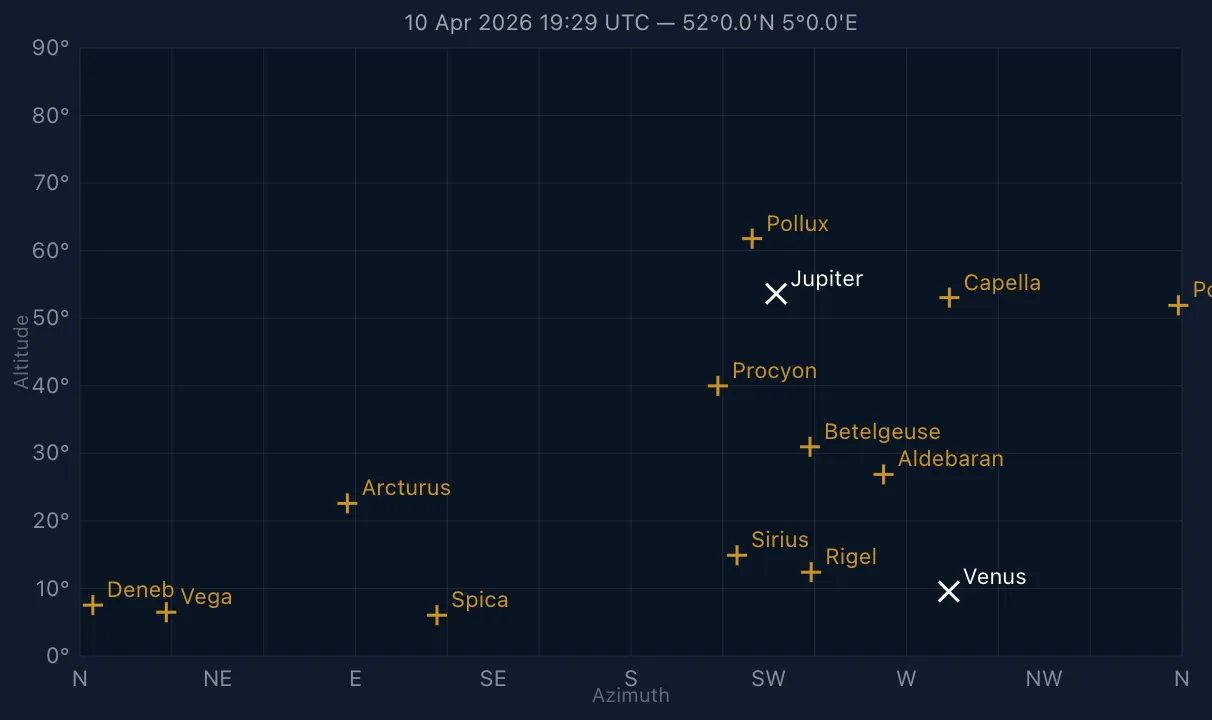
Plot the sky tonight for astronavigation. There are about a dozen stars that are used for celestial navigation. The chart shows which of the principal stars are above the horizon at your chosen time and position.